

Beyond HODLing: RWAs & DeFi Strategies That Work
The landscape of wealth creation is undergoing a profound transformation. For over a decade, cryptocurrency investing was dominated by a simple philosophy: buy, hold, and wait. This strategy, commonly known as “HODLing”, rewarded early adopters during exponential bull cycles. However, in 2026, that approach is no longer sufficient. Smart Investors are looking into something more stable in web3 wealth creation world: Blockchain Passive Income.

The market has matured. Institutional capital has entered. Yield opportunities have evolved. And most importantly, blockchain technology has moved beyond speculation into income-generating infrastructure.
Today, the smartest investors are not just holding assets, they are deploying them into decentralized systems that generate consistent returns.
This is the foundation of decentralized wealth.
Beyond HODLing: The Evolution of Yield in the Post-ETF Era
The approval and expansion of crypto ETFs fundamentally changed the market structure. Assets like Bitcoin and Ethereum are no longer fringe investments, they are part of institutional portfolios.
This influx of capital has created a new environment where price appreciation alone is no longer the primary strategy. Instead, investors are seeking yield on top of their holdings.
In traditional finance, capital generates income through dividends, interest, or rent. Blockchain now replicates, and in some cases enhances these mechanisms through decentralized protocols.
The result is a shift from speculative gains to structured income.
Rather than letting assets sit idle in a wallet (may be in Bitcoin, Solana, Ethereum or even Stablecoin), investors are increasingly deploying them into:
- staking protocols
- liquidity pools
- lending platforms
- tokenized real-world assets
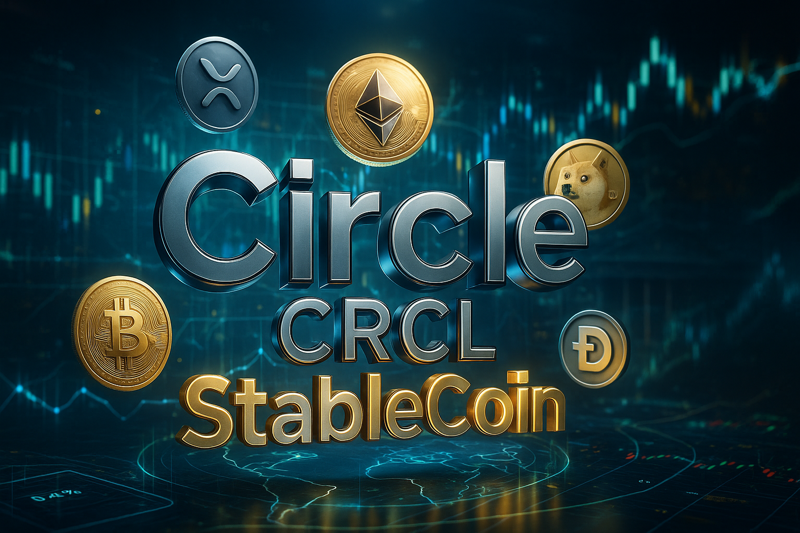
Each of these mechanisms transforms passive holding into active yield generation.
This is the core idea behind DeFi 2.0.
Liquid Staking & Restaking: Two Layers of Yield, Two Layers of Risk
One of the most significant innovations in blockchain income generation is liquid staking.
Traditional staking requires locking your assets to secure a network, earning rewards in return. While effective, it limits liquidity. Liquid staking solves this problem by issuing derivative tokens that represent your staked assets.
Platforms like Lido allow users to stake ETH while receiving a liquid token (such as stETH) that can be used elsewhere in DeFi.
This creates a powerful dynamic:
you earn staking rewards while simultaneously deploying your capital in other yield strategies.
The next evolution is restaking.
Protocols such as EigenLayer enable users to reuse staked assets to secure additional services. In simple terms, your ETH can generate yield from:
- Ethereum staking
- Secondary protocols secured through restaking
This effectively creates layered yield.
For investors, this represents one of the most efficient ways to maximize returns without increasing capital allocation.
However, it also introduces complexity and risk. Each additional layer of yield comes with:
- smart contract exposure
- protocol dependency
- systemic risk
Understanding these trade-offs is essential for sustainable passive income.
Real World Assets (RWAs): Bridging Blockchain and Traditional Income
Perhaps the most transformative trend in DeFi 2.0 is the rise of tokenized real-world assets.

RWAs bring traditional financial instruments, such as treasury bills, real estate, and private credit, onto the blockchain. This allows investors to earn stable, predictable yields without relying solely on crypto-native mechanisms.
Platforms like MakerDAO and Ondo Finance are leading this shift by integrating government bonds and institutional-grade assets into DeFi ecosystems.
For example:
- Tokenized U.S. Treasury bills can generate yields comparable to traditional markets
- Real estate tokens can provide rental income distributions
- Private credit pools can offer fixed interest returns
This is a critical development because it introduces stability into a historically volatile market.
RWAs effectively combine:
- the transparency of blockchain
- the reliability of traditional finance
For passive income seekers, this creates a hybrid model that balances growth and stability.
DeFi Safety Protocol: Avoiding Yield Traps in a Complex Ecosystem
While the opportunities in DeFi are significant, so are the risks.
The decentralized nature of these systems means there is no central authority to guarantee security. Investors must take responsibility for their own due diligence.
One of the most common pitfalls is the “yield trap”: protocols offering unusually high returns that are unsustainable or risky.

To navigate this environment, a structured safety framework is essential.
At a minimum, investors should evaluate:
- smart contract audits
- team credibility and transparency
- total value locked (TVL)
- tokenomics and incentive structures
High yields often come from:
- inflationary token rewards
- low liquidity environments
- unproven protocols
Sustainable yield, on the other hand, is typically derived from:
- real economic activity
- transaction fees
- lending interest
Security tools and analytics platforms can help monitor risk, but ultimately, discipline and skepticism are your best defenses.
In DeFi, capital preservation is as important as yield generation.
Tax Automation: Managing On-Chain Wealth Efficiently
As blockchain-based income grows, so does the complexity of tax reporting.
Unlike traditional investments, DeFi transactions can involve:
- staking rewards
- liquidity provision
- token swaps
- yield farming
Each of these may be considered a taxable event depending on your jurisdiction.
Manual tracking quickly becomes impractical, especially as transaction volume increases.
This is where tax automation tools become essential. Modern platforms can:
- aggregate wallet data
- categorize transactions
- calculate gains and losses
- generate tax reports
For serious investors, this is not optional, it is a critical component of long-term wealth management.
Failure to properly manage taxes can erode returns and introduce legal risk.
Building Your Decentralized Blockchain Passive Income System
The true power of blockchain lies not in individual strategies, but in system integration.

A well-structured decentralized income system combines multiple yield sources into a cohesive portfolio.
For example:
- Core assets (BTC, ETH) held for long-term growth
- Liquid staking for baseline yield
- RWAs for stable income
- Select DeFi strategies for enhanced returns
This creates a diversified income stream that operates continuously.

Unlike traditional investments, these systems function 24/7, generating yield in real time.
The key is balance. Overexposure to high-risk strategies can lead to significant losses, while overly conservative approaches may limit growth.
The optimal strategy lies in combining stability with calculated risk.
The Role of AI in DeFi Optimization
Artificial intelligence is increasingly being integrated into DeFi strategies, as similar to what it is doing in real world trading like AI Algorithm Trading.
AI tools can:
- analyze market conditions
- optimize yield allocation
- automate portfolio rebalancing
- detect risk signals
This aligns directly with the OneMoreMoney philosophy of building systems that operate with minimal manual intervention.
By combining AI with blockchain infrastructure, investors can create adaptive income systems that respond to changing market conditions.
Final Perspective: From Investor to System Architect
The era of passive crypto investing is over. In 2026, success requires a shift in mindset.
You are no longer just an investor, you are a system architect.
Your goal is not simply to buy assets, but to deploy them strategically across multiple yield-generating mechanisms.
The tools are available. The infrastructure is mature. The opportunity is real.
The only question is whether you will adapt.
Check out this 2026 blueprint to build your multiple source of passive income now.
FAQ Section
Q1: What is the safest way to earn passive income in crypto?
Stablecoin yields and tokenized real-world assets generally offer lower risk compared to high-yield farming strategies.
Q2: What is liquid staking?
It allows you to stake assets while still using them in DeFi through derivative tokens.
Q3: Is DeFi passive income truly passive?
It requires monitoring and risk management, but automation tools can reduce active involvement.
Q4: What are RWAs in crypto?
Tokenized real-world assets like real estate or treasury bills that generate yield on blockchain.
Q5: How much can I earn from DeFi?
Returns vary widely from 3% to over 15%, depending on risk level and strategy.
Sources
- ethereum.org, Ethereum staking: how does it work?
- ethereum.org, What is DeFi?
- Bank for International Settlements, Annual Economic Report 2025, Chapter III: The next-generation monetary and financial system
- U.S. Department of the Treasury, President’s Working Group report on stablecoins
- U.S. IRS, Digital assets
Disclaimer: This article is for educational purposes only and does not constitute investment advice. Crypto assets and leveraged trading carry a high risk of loss. Investors should conduct their own due diligence before making any financial decisions. We are not responsible for any investment losses incurred based on the information provided in this article.