From Chatbots to Colleagues: Everything You Need to Know About OpenAI Dots
For the past few years, our interaction with artificial intelligence has followed a predictable pattern: prompt, wait, respond. You type a question into a chat window, the model generates an answer, and the session ends when you close the browser tab. With OpenAI Dots, that dynamic changes completely.
Powered by OpenAI’s frontier reasoning engine GPT-6 Astra, Dots mark the transition from on-demand chatbots to persistent, “always-on” autonomous AI teammates. Rather than waiting for continuous user prompting, a Dot operates in its own isolated cloud environment, retains context indefinitely, and executes multi-step projects in the background while you focus on higher-level work.
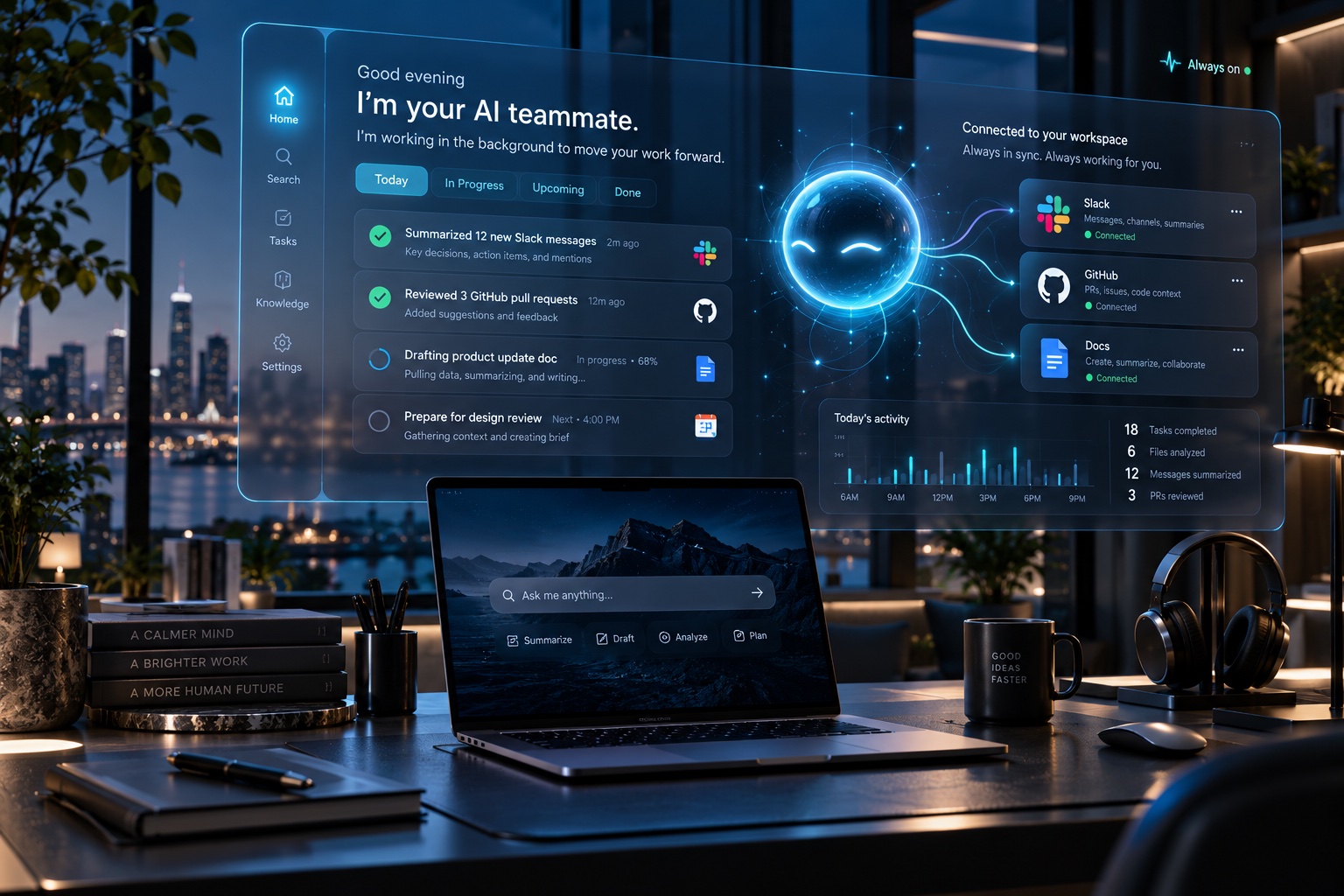
OpenAI Dots works quietly in the background as an always-on AI teammate connected to your workspace.
What is OpenAI Dots?
At its core, OpenAI Dots is an agentic platform architecture designed for asynchronous work. While a traditional ChatGPT session lives inside a single conversational thread, a Dot behaves like a dedicated digital assistant with its own inbox and virtual workstation:
- Cloud Sandbox & Browser: Every Dot runs inside its own isolated cloud container equipped with a headless browser and code execution engine. It can read web pages, debug code, analyze spreadsheets, and interact with software tools continuously—even when your laptop is turned off.
- Persistent Memory: Dots do not forget context when a session closes. They accumulate knowledge about your preferences, organizational rules, ongoing projects, and communication style over time.
- Proactive Agency: Instead of merely answering questions, a Dot actively monitors connected tools to spot tasks, initiate draft solutions, and request human approval only when necessary.
The Analogy: Think of a traditional chat session like making a phone call to a consultant—the moment you hang up, the work stops. A Dot is like hiring a remote colleague who stays logged in, checks back in with progress updates, and keeps project workflows moving 24/7.
Key Features & Capabilities
| Feature | Capabilities & Specifications |
|---|---|
| Cross-Platform Integration | Communicates across web apps, native desktop clients, mobile voice interfaces, and team channels like Slack or Microsoft Teams. |
| Dual Hardware Access | Operates natively inside secure cloud sandbox environments, with optional permission to bridge directly to local desktop applications. |
| Ecosystem Connectivity | Native support for over 4,000 workspace integrations through Codex and ChatGPT Work plugins. |
| Live Activity Inspection | Includes an Activity View dashboard to audit desktop actions, view background logs, or adjust directions in real time. |
| Sentinel Guardrails | Configurable safety triggers requiring explicit human approval for sensitive actions (e.g., financial payments, external emails, password entries). |
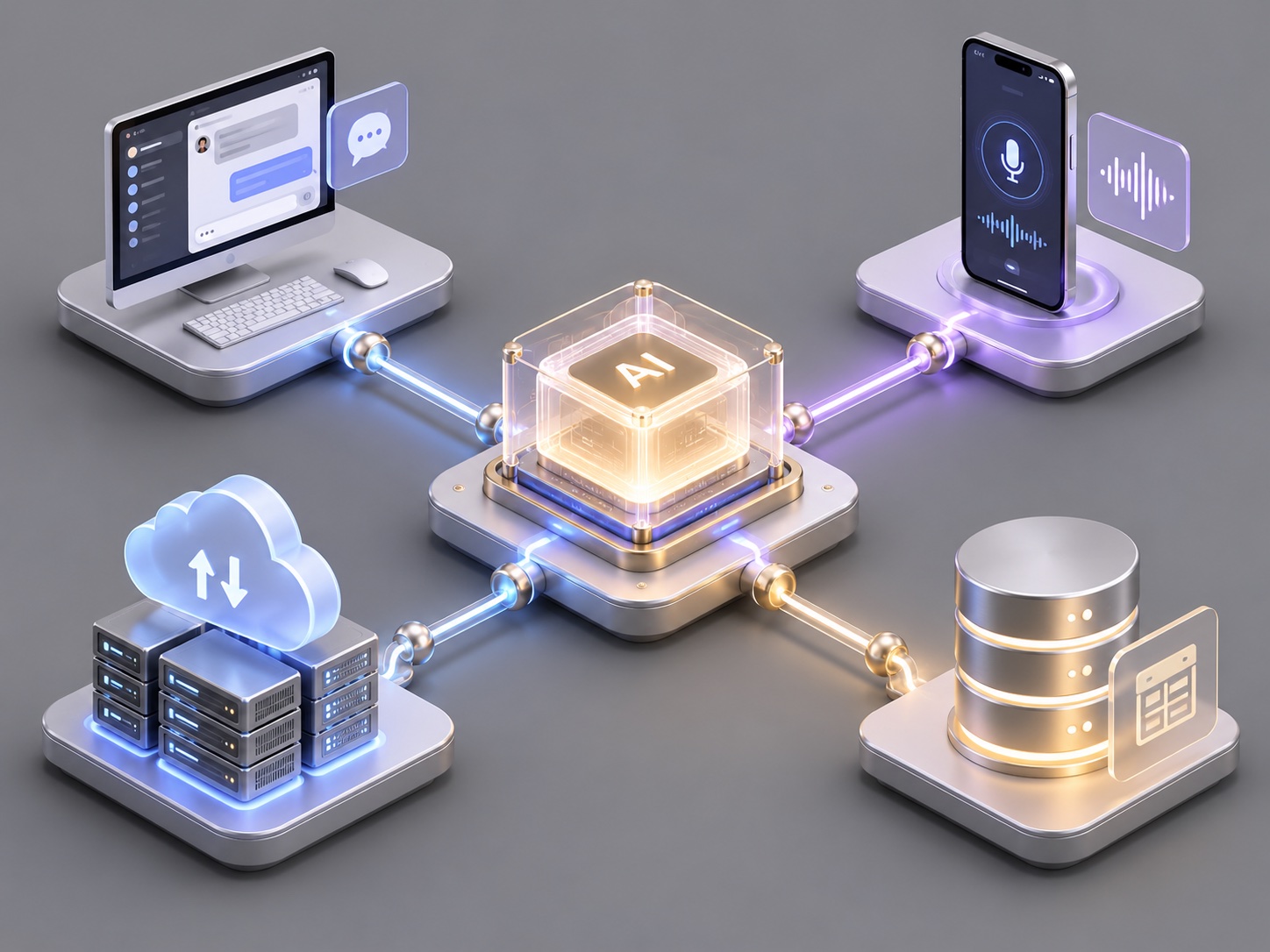
One Dot, many surfaces: desktop apps, mobile voice, its cloud sandbox and your connected data tools.
How Dots Help in Daily Life and Work
💼 Professional Workflows
- Automated Engineering & Triage: When a bug report or error log lands in a Slack channel, a Dot can reproduce the issue inside its cloud browser, write a code patch, execute tests, and present a pull request ready for developer review.
- Proactive Administrative Support: Dots monitor incoming project milestones, automatically cross-reference deliverables against contract terms, compile formal invoices, and queue them up for executive sign-off.
- Dynamic Content & Document Updates: Keep pitch decks, sales sheets, and internal knowledge bases up to date automatically as product specifications or market figures change.
🏠 Personal & Knowledge Work
- Long-Term Travel Planning: Set a Dot to track flight availability, hotel price shifts, and local activity reservations over several weeks, delivering a complete itinerary once target parameters are met.
- Research & Information Filtering: Assign your Dot to scan specialized industry databases, summarize daily market shifts, and highlight critical updates directly to your inbox each morning.
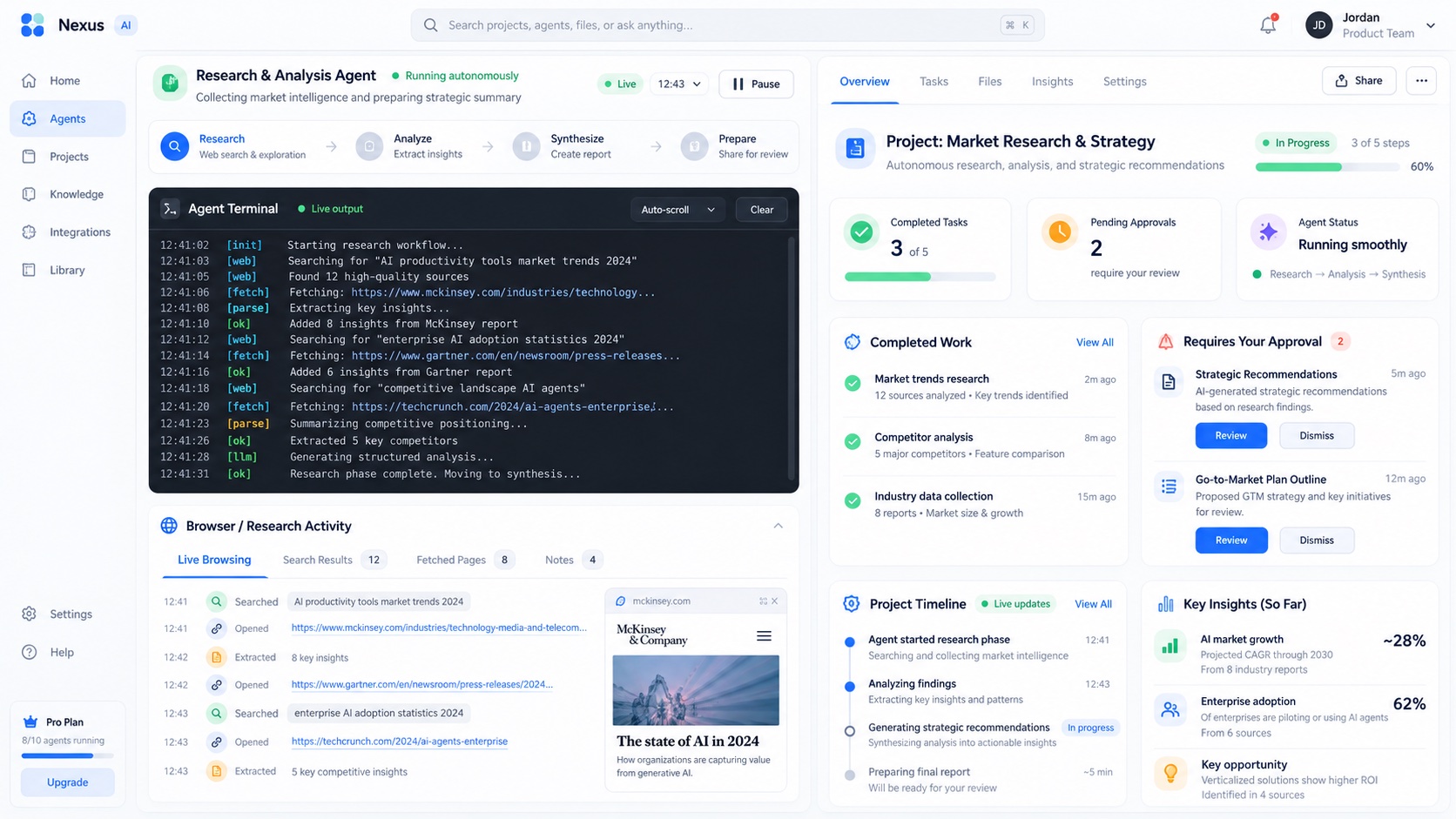
A Dot-style research agent works through a market-research project and pauses only for items that need your approval.
How to Use Dots Effectively
To get the best results from your digital teammate, keep these best practices in mind:
- Treat Setup Like Employee Onboarding: Write explicit instructions outlining your Dot’s role, preferred communication tone, guidelines, and forbidden actions.
- Set Guardrail Parameters: Leverage “Ask Before Acting” triggers for high-impact actions like publishing live content, modifying production databases, or sending external communications.
- Use Iterative Feedback Loops: Guide your Dot via voice notes or direct messaging when fine-tuning outputs. Dots absorb corrective feedback to refine future performance.
Access & Pricing Structure
Access to OpenAI Dots is focused on professional users, enterprise teams, and technical power users:
- ChatGPT Pro & Business Premium: Includes 1 primary custom Dot per user account with full personal customization at no extra fee.
- Enterprise Plans: Includes multi-agent support, Specialist Dots with IT-provisioned hardware credentials, and organization-wide governance controls.
- Free & Standard Plus Tiers: Not available during the initial rollout phase.
How to Start: Step-by-Step Sign Up Guide
- Verify Subscription Eligibility: Ensure your account is active on an eligible ChatGPT Pro, Business Premium, or Enterprise tier.
- Access the Dots Workspace: Navigate to chatgpt.com/dots or open the latest ChatGPT desktop app.
- Configure Your Primary Dot: Assign a custom name, select an avatar, and define its core mission and operating rules.
- Link Workplace Integrations: Connect your essential tools (e.g., GitHub, Google Workspace, Slack, or local directory access).
- Assign Your First Background Task: Start with a low-risk, multi-step research or monitoring project to observe how your Dot operates independently.
Conclusion
The release of OpenAI Dots represents a fundamental shift in human-AI collaboration. By moving beyond reactive conversation windows into persistent cloud execution, Dots allow professionals to delegate time-consuming background operations to an always-on companion. As these autonomous agents continue to evolve, the distinction between software tools and active team members will continue to blur.
What routine task would you delegate to an always-on AI assistant first? Share your thoughts and ideas in the comments below!

Reviews
There are no reviews yet.